Biography
Early Life
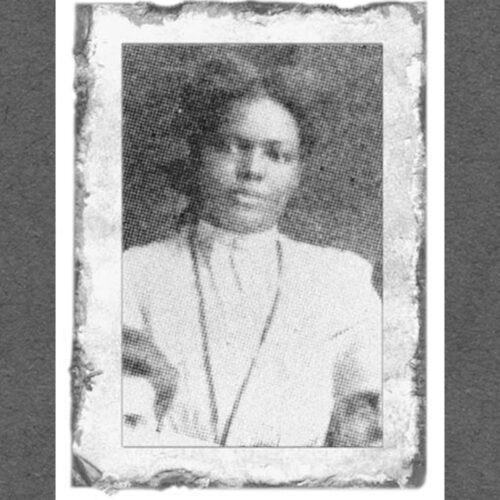
Lucy F. Farrow was born in August 1851 in Norfolk, Virginia. She was born when slavery still existed in America. She was the niece of Frederick Douglass.
Her early years were hard because of the fight for freedom and equality. She grew up during tough times in the mid-1800s. During these years, Farrow learned important lessons about being strong, having faith, and never giving up. Her life story shows she was determined to follow her calling.
Religious Faith & Activism
Farrow’s journey in ministry started in 1905. She was the pastor of a small Holiness church in Houston, Texas. Her strong faith and leadership caught the attention of other religious leaders.
She met Charles Fox Parham during this time. He was a well-known preacher who helped start the Pentecostal movement. Farrow worked as a cook during Parham’s revival meetings in Houston. A revival is a special church meeting meant to bring people closer to God.
Parham was impressed with Farrow. He invited her to come to Kansas to work as a governess caring for his children. Something amazing happened to her while she was in Kansas. She experienced the gift of speaking in tongues. This means she spoke in a language she had never learned. This event changed her spiritual life forever. It connected her to the growing Pentecostal movement.
Farrow also had a close friendship with William J. Seymour. He was another important Pentecostal leader. She saw that he had great potential as a preacher. She asked him to take over her church in Houston when she left for Kansas. This decision was important because it helped prepare Seymour for his later role in the Azusa Street Revival. This revival was a major moment in Pentecostal history.
In 1906, Farrow traveled to Johnsonville, Liberia, in Africa. She continued to spread the Pentecostal message. She reportedly spoke in the Kru language while in Africa. This was amazing because she had never learned this language. When someone speaks in a language they have not formally learned, it is called xenolalia. Her trip to Africa showed that she believed the Pentecostal message was meant for all people around the world.
Seymour asked Farrow to come with him to Los Angeles. Farrow was very important in the famous Azusa Street Revival, which lasted from 1906 to 1915. She prayed for people and put her hands on them. This practice helped them receive the Holy Spirit and speak in tongues. Azusa became an important experience of spiritual change for African American Christians. It changed the Pentecostal movement completely.
Azusa was a special church meeting because it brought people of different races together to worship. This happened when Black and white people had to stay separate everywhere else in America. Azusa showed that faith could bring all races together. But this welcoming religious feeling did not last long.
The way society kept races apart broke up the Christian unity that Azusa had created. White Christians chose to leave the group instead of sharing leadership with Black church leaders. White church groups like the Assemblies of God and the Church of God were formed. They moved away from the Azusa experience, where all Christians worshiped together. White church leaders made separating Christians by race a normal thing in churches. People today still have mixed feelings about what this revival meant.
Farrow remained a faithful leader throughout her life. Her actions helped build the early foundations of Pentecostalism. She influenced people all over the world. She was the first recorded African American to speak in tongues. Her ministry helped bring this practice into the wider Pentecostal tradition.
Farrow’s legacy continues to inspire people of faith today. Her courage, leadership, and belief in God’s power remind us that faith can unite people from all walks of life.