Biography
Early Life
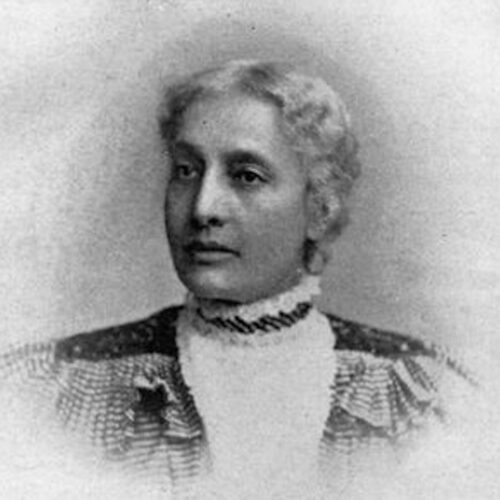
Harriet Forten Purvis was an active African American abolitionist. She was also a first-generation suffragist from Philadelphia, Pennsylvania. Her parents were Charlotte Vandine Forten and James Forten. Both parents were well-known Black abolitionists. Purvis grew up in a family devoted to freedom and equality. From a young age, she joined her mother and sisters in the fight against slavery. They took part in many parts of the emancipation movement. They also hosted important gatherings where enslaved people discussed freedom. The family played key roles in the fight against slavery. They were also active in the fight for women’s rights in 19th-century America. Purvis’ Quaker faith inspired and fueled her work.
In 1832, Purvis married Robert Purvis, a prominent abolitionist. Together, they built a home in Philadelphia. They became central figures in the abolitionist and civil rights movements. They raised five children. They created a loving family devoted to social justice.
Religious Faith & Activism
The American Anti-Slavery Society did not allow women to join. In 1833, Purvis joined more than a dozen other women. Together, they formed the Philadelphia Female Anti-Slavery Society. She used her sewing skills to help the Society’s sewing committee. She also used these skills at a sewing school in a poorer part of the city. Purvis balanced her home life with a busy public life. She organized and hosted anti-slavery events. She gave lectures on racial segregation. She supported many abolitionist causes.
In 1837, Robert Purvis founded the Philadelphia Vigilance Committee. They used their home to shelter escaped slaves. People called Robert the father of the Underground Railroad. Purvis supported his work fully. She managed her household’s role in this dangerous operation. Their lives faced constant threats because of this work. They feared violent attacks. The Purvis family moved to the rural community of Byberry. Their home, called Harmony Hall, became a key station on the Underground Railroad.
Purvis’ activism reached beyond Philadelphia. In 1837, she attended the Anti-Slavery Convention of American Women in New York. In 1839, she joined the Free Produce Society. This group boycotted goods made by slave labor. In May 1854, she and her niece, Charlotte Forten, attended a fugitive slave protest meeting in New England. She also gave lectures on civil rights. On September 13, 1866, she spoke against segregation on railroad cars in a speech to the Society.
Purvis and her sisters, Margaretta and Sarah Forten, formed a strong team. From 1841 to 1869, they organized fundraising events every year. These fairs, sometimes called bazaars, helped the Philadelphia Female Anti-Slavery Society succeed. The events raised large amounts of money for the abolitionist cause. Purvis’ teenage daughter joined these efforts starting in 1866.
Purvis’ husband supported her without fail. The couple worked closely together as an effective team. They attended many anti-slavery conventions, including ones in Harrisburg, Pennsylvania, and New York City in May 1840. After the Civil War ended, they kept fighting for change. They joined the American Equal Rights Association. They pushed for voting rights for Black men and for all women.
The Purvis marriage stood out for its fairness and equality. This was rare during the Victorian era. Their partnership showed her husband’s true commitment to equality. It also showed Purvis’ skill in both private and public life. Together, they created a progressive model of marriage built on shared work for social justice.
Harriet Purvis stayed active until her later years. She died of tuberculosis on June 11, 1875, in Washington, D.C. She was buried in the Quaker Fair Hill Burial Ground in Germantown.