Biography
Early Life
Ellinah Ntfombi Wamukoya was born in 1951. She grew up in Swaziland (now called eSwatini). She studied Geography and African Languages at the Universities of Botswana, Lesotho, and Swaziland. She continued her education in the Netherlands. She met her husband there. His name was Okwaro Henry Wamukoya. They had four children together.
Wamukoya worked as a Planning Officer for the Government of Kenya from 1978 to 1990. She returned to Swaziland in 1990. She worked in Town and Regional Planning to help her community. She also worked as a City Planner. She later became the Town Clerk of Manzini. Manzini is eSwatini’s main business area.
After working in these roles, she was ordained a priest in the Anglican Church in 2005. Wamukoya was deeply passionate about working with young people. She started a youth ministry group called “the Gideons.” The name was inspired by Judges Chapter 6 in the Bible. In that story, Gideon is called to lead the children of Israel during a difficult time. Wamukoya believed that investing in young people was important. She saw it as investing in both the church of today and the church of tomorrow.
Her many different jobs showed her passion for helping others. She loved solving problems in her community. This work helped prepare her for the leadership roles she would take on.
Advocacy and Global Impact
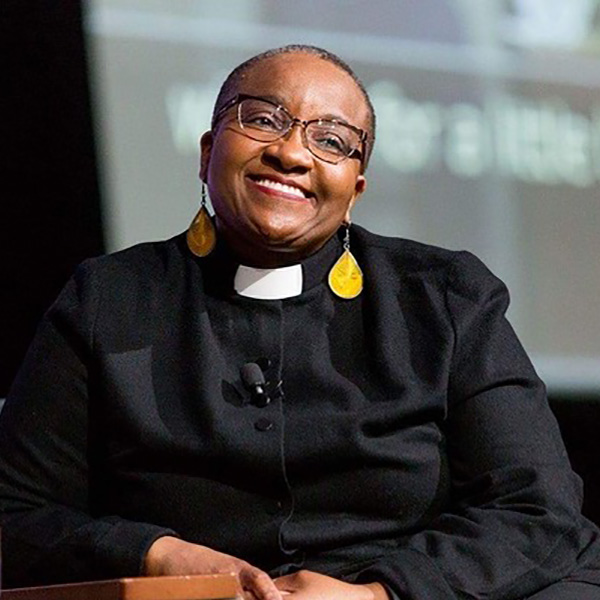
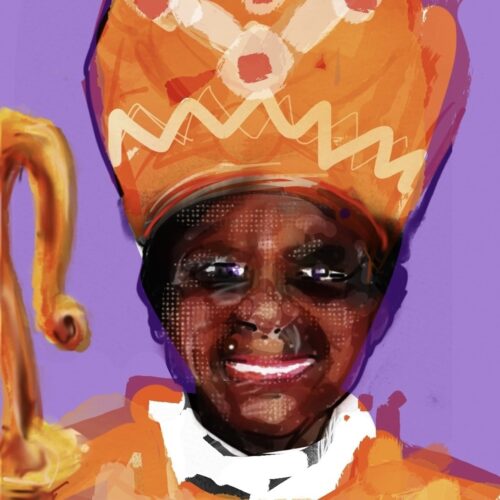
Wamukoya became the first female Anglican Bishop in Africa in 2012. She made history. She broke the long-standing tradition of excluding women from becoming bishops.
Wamukoya’s leadership broke barriers in the Anglican Church. Women often faced challenges in taking on leadership roles there. In many parts of Africa, there is hesitation about ordaining women in Anglican traditions. Of the thirty-eight Anglican provinces around the world, seven do not ordain women. Three of these are in Africa. Two African provinces allow women to be deacons but not priests or bishops. The Anglican Church of Southern Africa (ACSA) has taken a more progressive approach. This reflects South Africa’s open attitude toward social issues. Wamukoya’s election and consecration in 2012 were a major step forward.
As the Liaison Bishop for the Environment, she worked on global issues. She showed how women could lead in the church. As the Bishop of Swaziland, she worked hard to lead her community with kindness and strong leadership. Her dedication made her a leader not only in her diocese but across the Anglican Communion.
British Broadcasting Corporation (BBC) News named Wamukoya one of the one hundred most inspirational and influential women in the world in 2016. This highlighted her groundbreaking role and influence. She represented faith communities at the Commonwealth Heads of Government Meeting (CHOGM) in London in 2018. She spoke about the role churches and faith leaders could play in addressing gender-based violence. This issue was close to her heart.
Wamukoya’s leadership reflected the more progressive stance of the Anglican Church of Southern Africa. It had been ahead of many other regions in ordaining women and addressing social issues. Her historic consecration in 2012 was led by Archbishop Thabo Makgoba. He praised her groundbreaking leadership. Bishop Wamukoya’s work paved the way for greater inclusion and equality in the church.