Biography
Early Life
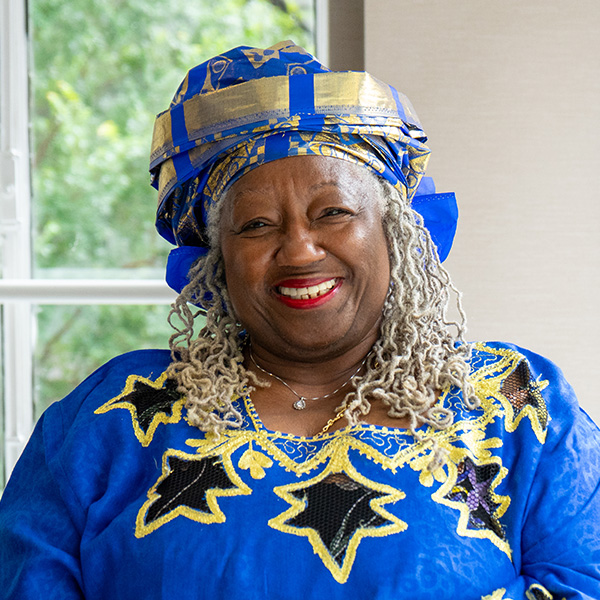
Alice Harris was born on January 14, 1934, in Gadsden, Alabama. She is also known as “Sweet Alice.” She lived in poverty and faced many hardships growing up Black in the South in the 1930’s. When she was young, a family took her in and gave her a job. She promised them she would always help others just as they helped her. She used her challenges and others’ kindness to fuel her passion and commitment to caring for others. Harris moved to Los Angeles, California, in the late 1950’s. Before moving, she lived in Detroit, Michigan. She studied cosmetology and opened her own beauty salon there.
Religious Activism
Harris’ relationship with God fueled her activism. In a 2015 interview, she explained, “I give honor to God, which is everything to me. Every morning, every night, every day, I pray and ask God to help me clean up Watts.” Harris spoke of her gratitude to God for her work and community impact during the Watts Riots.
The arrest of Marquette Frye is what started the Watts Riots of 1965. Frye was a young African American man detained under suspicion of drunk driving. This routine traffic stop escalated when rumors spread of police brutality during the incident. Ongoing social issues like systemic racism, police violence, and economic differences further fueled the unrest. Governor Pat Brown ordered an official investigation. He found out that the community had long expressed concerns about high unemployment, the condition of local schools, and subpar housing. A governor’s commission reported these findings after the riot. Even this did not make city or state officials move to improve the social and economic conditions in Watts.
The fallout of the six-day Watts Riot and the failure of government officials to act inspired Harris to take action herself. She was most concerned about police brutality and poverty. She opened her home to provide emergency aid, resources, food, and shelter to her neighbors who needed it. She created an outreach program in 1979. It turned into an organization known as Parents of Watts (POW). It was later incorporated in 1983. POW helped address and prevent many issues that plagued the minority communities in Los Angeles. Most pressing were drug addiction, the need for health education, and the lack of college preparation. POW also provided unwed mothers programs and family support programs. It created safer spaces for young people to gather. The program encouraged their academic and career growth and development.
Harris’ grassroots work expanded access to necessary resources for Watts residents. This promoted equity and contributed to the democratic ideals of opportunity and justice. She worked with city officials and local leaders to get support for the community services provided by POW. Her organization empowered many people through education and employment resources. This enhanced the quality of life in Watts and promoted broader social change.
Achievements and Awards
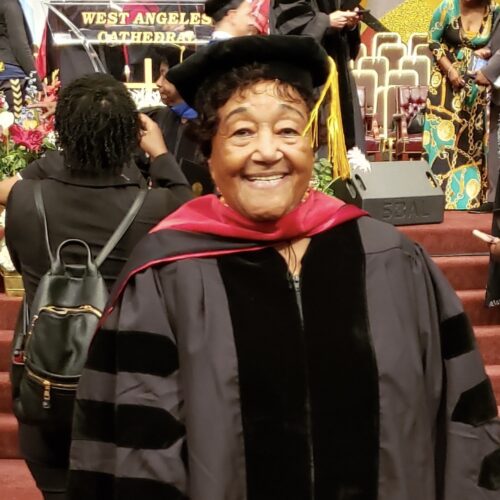
Harris has received several respected awards for her dedication to social justice and community building. She received California’s First Lady Maria Shriver’s Minerva Award. She was recognized by President George H. W. Bush as a “Point of Light” for her volunteer service. The University of Southern California celebrated her with an honorary Doctor of Humane Letters. The City of Los Angeles dedicated part of Lou Dillon Avenue as “Sweet Alice Row” in 2024. This serves as a lasting tribute to Harris’ decades of volunteer service and activism.
Leadership
Harris has a unique leadership style. She relies on the principles of empathy, resilience, and accountability. She is known for her question, “Do you want to be part of the building crew or the wrecking crew?” She boldly directs this question toward those who resist community efforts. Her question encourages cooperation for the collective good. Harris’ vision created connections among Watts’ Black, Hispanic, and Asian populations. This effort strengthened community bonds and reduced racial tension among neighbors. Harris used POW to inspire young Black women to pursue activism and support their communities.
Legacy
Harris continues her work as the executive director of POW. She remains active in the community even in her 90s. Her contributions have made a lasting impact. Her activism helped thousands of people through services aimed at breaking cycles of poverty and unemployment. Harris purchased eight houses along Sweet Alice Row. These houses symbolize Watts’ dedication to building a strong, compassionate community. Harris’ life’s work reflects the power of grassroots activism grounded in faith and an unwavering belief in human potential.