Biography
Early Life
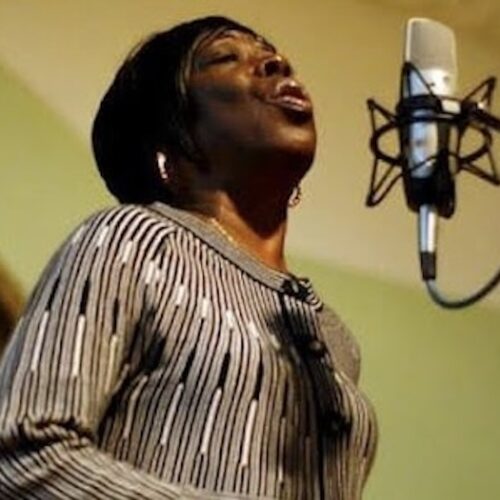
Bettie Mae Fikes is known as “The Voice of Selma.” She was born into a family of gospel singers and preachers in Selma, Alabama. Her voice was powerful from an early age and made a lasting impression. She sang her first solo in church when she was four years old. Fikes began traveling with her parents’ gospel groups, the SB Gospel Singers and the Pilgrim Four as a child. Tragically, her mother passed away when Fikes was only ten years old. She lived with family members in Selma, Detroit, and California after that.
Fikes joined the Student Nonviolent Coordinating Committee (SNCC) at the age of sixteen. She became involved to escape the strict routine of church life. The Movement quickly became her second family. She worked closely with key SNCC leaders like Bernard Lafayette, Worth Long, and Colia Liddell Lafayette. She passed out leaflets and recruited adults for voter registration drives. The Civil Rights Movement became more than a cause for Fikes. It became her community. She participated in lunch-counter sit-ins, bus boycotts, voter registration campaigns, and even led walkouts from her high school to demand desegregation.
Despite warnings from cautious adults in her community, Bettie took bold actions. She led protests and willingly faced arrests. She disobeyed her aunt’s instructions to pay a water bill once and instead joined a mass meeting at a church. This decision led to her arrest and time in jail. Even from jail, she recruited other teenagers to join the Movement.
Religion & Civil Rights Activism
Fikes used her powerful voice as both a singer and a civil rights activist during one of the most pivotal times in American history. She participated in the infamous “Bloody Sunday” march on March 7, 1965. This is where over 600 protestors crossing the Edmund Pettus Bridge in Selma, Alabama, were brutally attacked by law enforcement. Fikes relayed updates between Brown Chapel and the head of the marching line. Her bravery and determination made her a key figure in the struggle for equality.
Fikes’ talent as a singer became an essential part of the Movement. She joined the Freedom Singers. They performed alongside activists like Matthew Jones, Cordell Reagon, and Emory Harris. They used music to inspire and unite people. She often led marches in song. She transformed traditional gospel hymns into anthems of protest. She adapted the hymn “This Little Light of Mine” to challenge Selma’s Sheriff Jim Clark. The protestors sang “Tell Jim Clark, I’m going to let it shine!” Her leadership and music inspired others to keep fighting for equality. Fikes provided strength and hope through her songs to those fighting for justice. She kept singing even during dark times. One such time was her three-week imprisonment in 1963 for protesting.
Fikes became a celebrated performer and speaker beyond her involvement in the civil rights movement. She captivated university audiences across the United States and Canada with her stories and music. Her rich, soulful voice and gift for storytelling allow her to connect deeply with listeners. She made them feel as though they were part of her journey. Fikes’ small stature was a commanding presence on stage. Her voice resonated with power, shaking rooms, and touching hearts.
Bettie Mae Fikes continues to fight today for the freedoms she and others worked so hard to achieve. She uses the painful memories of the civil rights movement to educate and inspire new generations. She keeps the spirit of the Movement alive through her music and messages of peace and love. The fight for equality is far from over for Fikes. Her enduring commitment to justice reminds us of the sacrifices made by countless others to pave the way for a better future.