Biography
Early Life
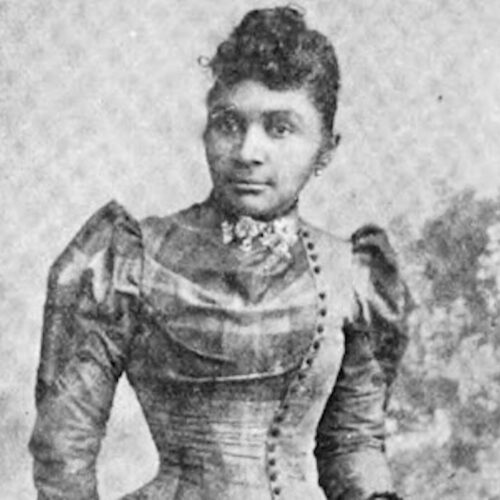
Clarissa Minnie Thompson was born in Columbia, South Carolina, on October 1, 1859 or 1860. She had a successful middle-class Black family. She was one of nine children. Her parents, Samuel Benjamin Thompson and Eliza Henrietta Montgomery, were formerly enslaved. Despite their history, Samuel was an important figure during the Reconstruction era. He served as a delegate to the 1868 Constitutional Convention. He later became a legislator. He contributed to the changes brought about by the end of the Civil War.
Thompson attended the South Carolina State Normal School during the Reconstruction period. The school was one of the few institutions of higher learning open to Blacks. She was one of the few women to pursue higher education during this time. Her time at the Normal School set the foundation for her career as both an educator and a writer. Thompson began teaching at Howard School in Columbia after completing her education. She influenced the lives of many students.
Thompson moved to Allen University when it moved to Columbia. She continued her work as a teacher and was part of the growing Black educated community in the South. Her education and career were impressive for a woman in the 1800s. This was even more true as a Black woman. Her life was evidence of determination and the power of education. She did so despite a society that often-excluded people like her from opportunities. Around 1897, she married a doctor, William Allen. They lived in Texas.
Religious Faith & Activism
Thompson Allen’s involvement in religious activism, particularly with the Women’s Christian Temperance Union (WCTU), showcased her dedication to social issues. The WCTU was a major Christian movement supporting not drinking alcohol. They wanted the moral improvement of society especially among women. It has since expanded to include other religions. Thompson Allen became active in this cause, using her platform to engage with the community. She focused on social justice and reform issues affecting African Americans and women.
Her work with the WCTU aligned with her broader efforts to improve the lives of African Americans in the South. She aimed to raise awareness about the challenges faced by Black women. Through her activism, she made a lasting impact on her community by promoting social change. She also advocated for the rights of marginalized groups.
Activism Through Writing
Thompson Allen’s contributions as a writer were significant, especially considering the lack of recognition she received in her time. She wrote about wealthy African American families in the South. She offered a unique view of their lives. Thompson Allen’s most famous work, Treading the Winepress (also called A Mountain of Misfortune), was published on January 1, 1886. It was first printed as a series in The Boston Advocate before becoming a book. These stories dealt with themes such as love triangles, murder, madness, and the challenges of respectability politics.
Thompson Allen’s writing was not just entertainment. It gave an insightful look at the lives of Blacks during a time of social change. Her work is believed to be one of the first novels published by a Black woman from South Carolina. She explored complex emotions and societal issues. This made her a standout in literature. Her stories gave a voice to a community often overlooked in mainstream stories.
In addition to her fictional work, Clarissa Minnie Thompson Allen also wrote poetry and contributed to Black newspapers. Her poetry, like her stories, explored themes of faith, identity, and the Black experience. She was often critical of the religious structures of her time, particularly the African Methodist Episcopal Church. Her willingness to challenge these structures made her writing compelling and impactful. This added to her legacy as a bold and insightful writer.