Biography
Early Life
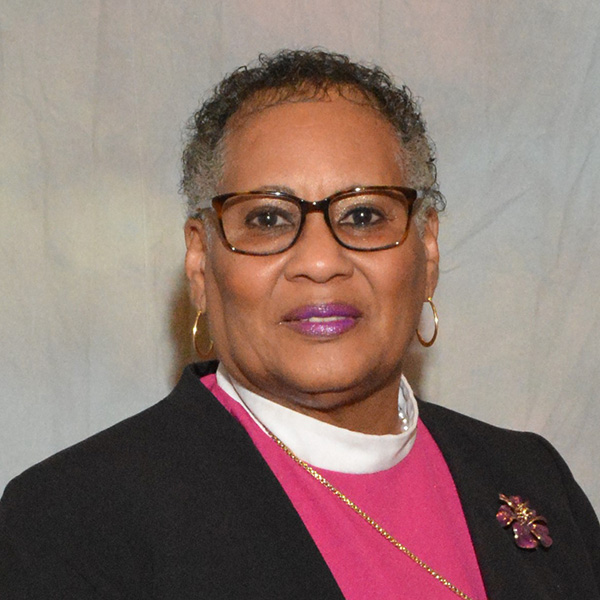
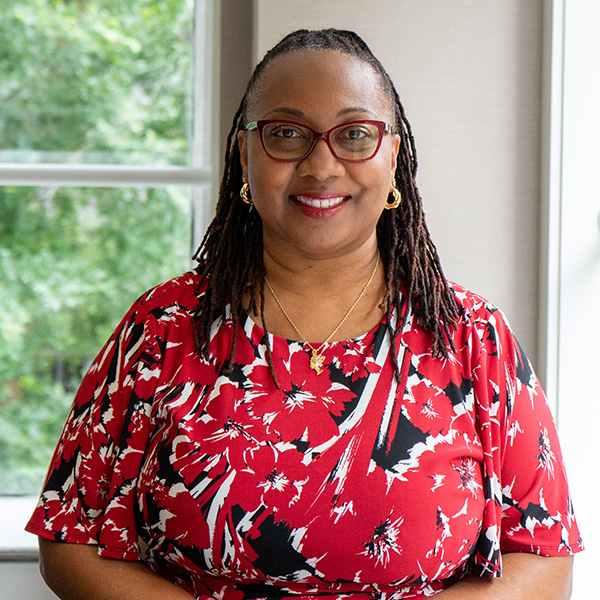
Audrey F. Bronson was born in Sanford, Florida to Dr. Uriah Perry Bronson and Flora Hollinshed Bronson. Right before Bronson entered high school, the family moved to Philadelphia, Pennsylvania. Bronson’s mother passed away unexpectedly. Her father raised Bronson and her brother, Oswald Perry Bronson.
Bronson’s father was a pastor, minister, and principal. He taught the importance of faith, family, and service to others to his children when they were young. This influenced Bronson’s spiritual development. She discovered her passion for preaching when she was 14 years old. Bronson gives credit for her success in ministry and education to her family. She often spoke about what a great example her parents were. Bronson followed in her father’s footsteps when she went into ministry and education.
Bronson studied elementary education at Cheyney State College. This college is the first Historically Black College and University (HBCU). It is now known as Cheyney University. Bronson earned her bachelor’s degree at Cheyney. She was the class valedictorian. Bronson earned a master’s degree in psychology from Howard University. She received her doctorate in ministry from the New York Theological Seminary. Bronson was awarded the doctorate of divinity from Bethune-Cookman College. She was also honored with a doctorate of humane letters from the National Theological Seminary and College.
Religious Faith & Activism
Bronson founded the Sanctuary Church of the Open Door in 1975 in West Philadelphia.. She also organized the Sanctuary Christian Academy, the Sanctuary Bible Institute, and the Sanctuary Counseling and Referral Center. Bronson’s care for the community included a 37-unit apartment complex for the elderly, a full running preschool, a hub for youth sports programs, and a family resource center. Bronson established an ‘open door’ policy for her church and community programs. The church gained a reputation for being very generous and focused on serving others. Regular services included food and clothing drives, mission trips, and drug related outreach programs. Bronson was also committed to ministry in prisons around Philadelphia.
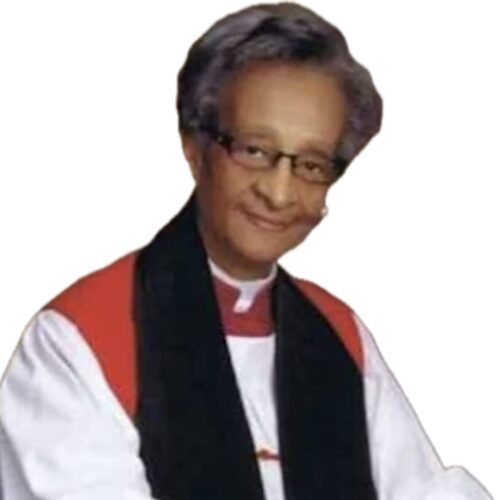
Bronson was equally committed to her ministry activities and her contributions to education. She was a psychology professor and served on the council of trustees at Cheyney University. She eventually had to choose between her two passions. The church experienced significant growth. It became difficult for Bronson to balance both. She fully committed to the ministry. Bronson was consecrated to the office of bishop in 1994. She was the overseer of several churches within the International Fellowship of Churches, Inc.
Accomplishments in the Religious Field
Bronson earned many accomplishments. She was the first female president of the Black Clergy of Philadelphia and Vicinity. She was the area minister of hundreds of conferences and seminars throughout the United States, Germany, Bermuda, and South Africa. Bronson celebrated 70 years of ministry in 2014.
Bronson was a member of the Philadelphia Special Investigation Commission that investigated the bombing of MOVE headquarters on May 13, 1985. Christian Movement for Life (MOVE) was associated with the Black Power Movement in Philadelphia. The church that Bronson founded was a few blocks away from the MOVE headquarters house. The house was in a residential neighborhood. MOVE members would share rhetoric on a loudspeaker through the night. Police confronted the MOVE group after three years of nuisance complaints from neighbors. Philadelphia Municipal Authorities bombed the headquarters shortly after the police confrontation. Eleven MOVE members were killed and sixty-one homes were destroyed.
When asked about what she remembers from the event, Bronson said in the Philadelphia Tribune that, “It was terrifying to me and to others that they would actually drop a bomb, kill the people in there, which I don’t think they should have done but that is what they did so this was very upsetting.” Bronson compared this period to recent police conflicts against citizens in Ferguson, Missouri and Baltimore, Maryland. Bronson reminds us that it is still a dangerous time for Black people.