Biography
Early Life
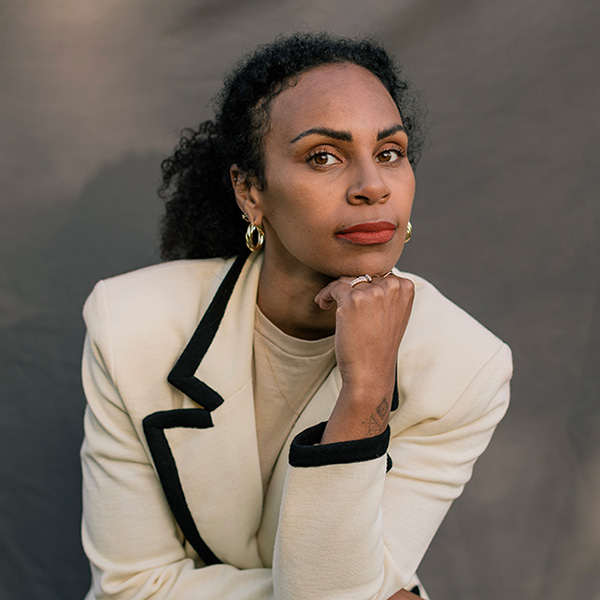
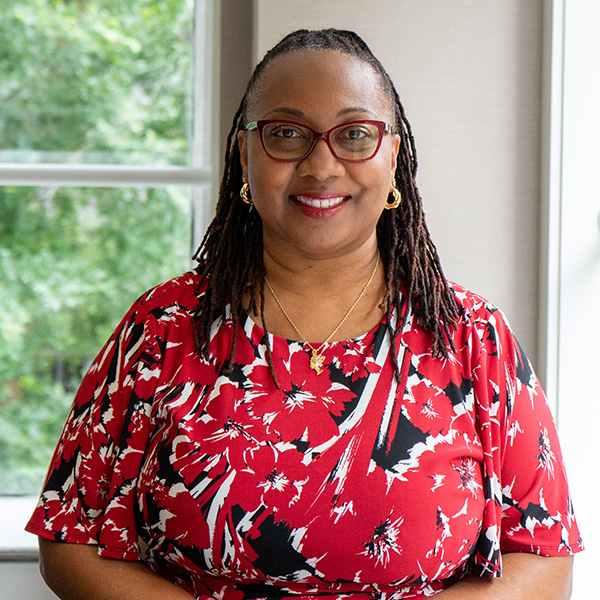
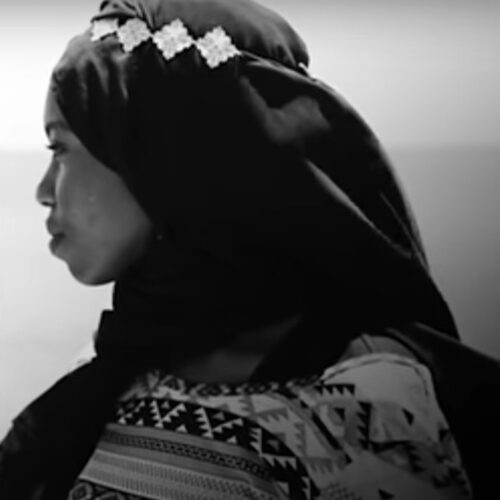
Emtithal Mahmoud, known as Emi, was born in Khartoum, Sudan, in 1993. She spent her early childhood in Darfur with her family. They lived through the dangers of genocide and armed conflict. Her family fled to Yemen when she was a toddler to escape the violence. They came to the United States when Emi was five years old and settled in Philadelphia.
She found her voice early. She was already speaking out about peace and justice by the time she was 10. She gave a speech at the Capitol Building in Washington, D.C., when she was 11. People took notice. She was becoming a young leader with something important to say.
Mahmoud attended Julia R. Masterman High School in Philadelphia. She was a good student and earned strong grades. She received the Leonore Annenberg Scholarship. This covered four full years of college at Yale University. She studied anthropology and molecular biology and graduated in 2016.
Religious Faith and Activism
Mahmoud has been a committed activist since her teenage years. She began speaking out about the ongoing violence in Darfur when she was still in high school. Her reach kept growing. The British Broadcasting Company (BBC) named her one of its 100 Most Inspirational Women in the World in 2015. She was invited to meet with President Barack Obama during his visit to the Islamic Society of Baltimore in 2016.
Mahmoud is Muslim. Her faith is a steady source of inspiration for her work. She writes poetry that pushes back against stereotypes about Muslims and speaks to the experience of being a Muslim refugee. She wants young women who share her background to know they can make a real difference in the world.
She has taken her poetry and her message to more than 40 countries. She has spoken across the world to crowds as large as 50,000 people. She published her first book of poetry, Sisters’ Entrance, in 2016.
Mahmoud brought together Sudanese women to organize Sudan’s first fully inclusive civilian peace talks in 2017 when she was 23 years old. The following year, she walked 1,000 kilometers — about 620 miles — across Sudan in 30 days. She traveled from Darfur to Khartoum as part of her One Girl Walk and Dreams for Peace campaigns. Her goal was to bring people together and keep hope alive. She went on to serve as the youngest advisor to the 2020 peace talks in South Sudan. She worked as a civilian observer at humanitarian talks in Geneva, bringing peace recommendations from more than 12,000 people directly to the negotiating table in 2024..
Mahmoud founded Taharuk when war returned to Sudan. Taharuk is a youth-led campaign that connects local Sudanese organizations to provide emergency aid and push for lasting peace. The effort brings together young people and civilian groups to offer help to those caught in the conflict and to work toward long-term solutions.
Mahmoud has stayed active in health and science even while doing her peace work. She co-founded an international research project focused on sickle cell disease when she was 19. She has supported patients in Nepal and worked to raise awareness about the disease around the world.
Her work has brought her into contact with major leaders and organizations, including the Dalai Lama, the UN Refugee Agency, the World Bank, and Google. She became the youngest person ever named a UNHCR Goodwill Ambassador in 2016. She took this opportunity to travel on field missions, speak on behalf of refugees, and use her poetry to lift voices that often go unheard.
Emi Mahmoud brings together art and activism in a way that moves people and drives action. Whether she is performing on a major stage, leading peace talks, or organizing humanitarian aid, she draws on her own experience as a survivor, a refugee, and an African woman to lead with honesty, courage, and care. Her life makes a clear case that one person’s voice can matter far beyond what anyone might expect.