Biography
Early Life
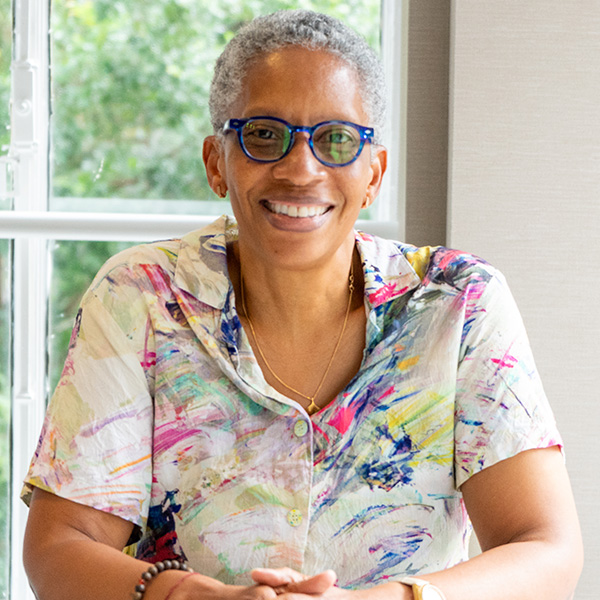
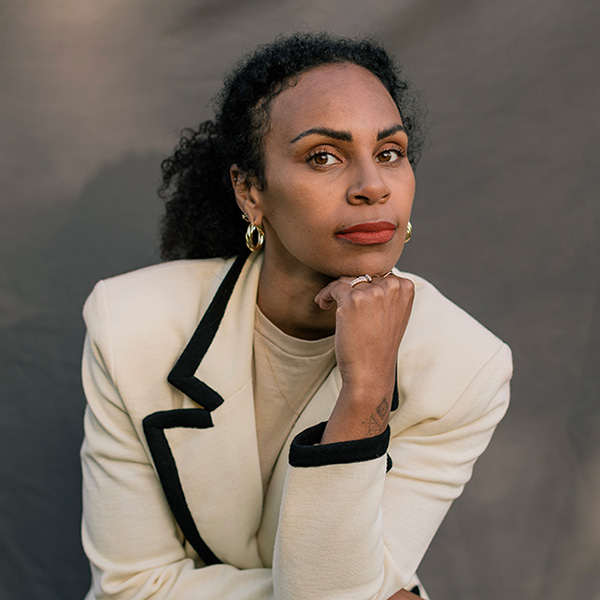
Sebene Selassie was born on October 27, 1970, in Ethiopia. Her family moved to Washington, D.C. when she was three years old. She lived in several countries throughout her childhood. These included Ethiopia, Egypt, and Germany. Living in different cultures shaped how she saw the world.
Selassie is both Ethiopian and Eritrean. Her parents had different religious backgrounds. Her mother was part of the Ethiopian Orthodox Church. Selassie and her brother were baptized in that church. Her father’s side later became Lutheran. Even her grandfather switched from the Eritrean Orthodox Church.
Her family came from strong religious roots, but did not attend church often. Selassie became interested in meditation when she was a teenager in the 1980s. She spent time at a group called Ordinary Mind in New York. There she learned about mindfulness.
Selassie went to McGill University to study Comparative Religious Studies. She learned about Buddhism and discovered Ethiopia’s long Christian history. Her spiritual journey included more than just Christianity. It was shaped by her life experiences and cultural background.
She earned a Master’s degree in Cultural and Racial Studies from the New School. Selassie was diagnosed with cancer when she was 34 years old. This difficult experience made her think more deeply about life and what she believed.
Writing, Spirituality, and Mindfulness
Selassie became a teacher and writer. She teaches mindfulness meditation to people from many backgrounds. Her work focuses on identity, belonging, and human connection.
She is trained in Indigenous Focused-Oriented Therapy. She works as an integral coach. These skills help her support mental and emotional well-being. She encourages people to live more fully in the present moment.
She published a book about identity and belonging in 2020. She used her own life stories to help readers understand themselves better. She teaches that our health and happiness are linked to how we connect with others and the world.
Selassie believes empathy and compassion help us feel like we belong. Selassie creates spaces for all kinds of people through her talks and writing. She encourages readers to celebrate what makes them unique. She also challenges unfair social norms.
Social Justice Activism, Spirituality, & Leadership
Selassie blends social justice with spirituality. She teaches that caring for others is a powerful force for change. She believes that inner growth can lead to a better world. She connects this idea to mindfulness. Her approach encourages spirituality to reflect many voices and worldviews—not just Western traditions.
Her teachings often inspire Black women to lead. Because she is a leader she creates space for those who have long been overlooked. Selassie has led the New York Insight Meditation Center, worked with youth and underserved communities, and served on boards such as the Barre Center for Buddhist Studies.
Selassie also develops mentorship programs that use “reverse mentoring.” This is the idea where both mentor and mentee learn from each other. Selassie teaches on the Ten Percent Happier app. She believes young people are especially open to growth and transformation. Sebene Selassie’s teaching is reshaping what leadership and spiritual practice can look like. She teaches that both can be more inclusive, dynamic, and deeply rooted in justice.