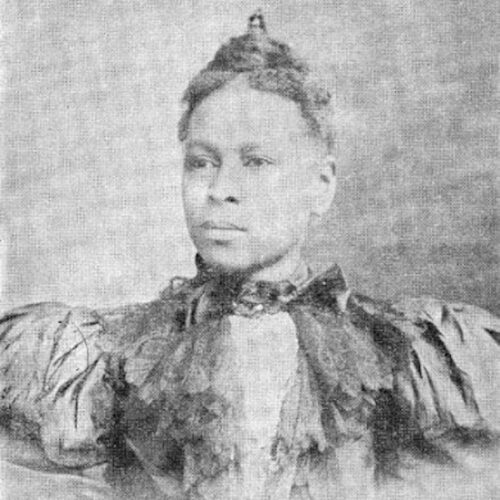
Biography
Early Life
Virginia E. Broughton was born on March 1, 1856, in Nashville, Tennessee. She was raised in a well-off African American family. Her father, Nelson Walker, had once been enslaved. He bought his freedom. He later purchased the freedom of his wife, Eliza Walker.
Nelson was allowed by his enslaver to work outside jobs. He was able to save some of the money he earned. Over time, he saved enough to free his entire family. He studied law with a respected law firm after he gained his freedom. He became the first African American man to join the State Bar Association in Davidson County, Tennessee.
Broughton enjoyed a comfortable life because of her family’s resources. She was privately tutored at home before attending Fisk Grammar School in Nashville. She graduated in 1875. She married Julius A.O. Broughton Sr. in 1876. They had five children: Julius Jr., Elizabeth, Emma, Selina, and Virginia.
She enrolled in the preparatory program at Fisk College. This school is now known as Fisk University. She earned her Master’s Degree in Teaching in 1878. Broughton became a grade school teacher after college. She worked in Memphis public schools from 1878 to 1887. She believed education could change lives. She worked hard to help her students grow.
Broughton was also deeply religious. She was committed to and active in her Baptist church. She became a missionary. She stood up for women’s rights in the church. She believed the Bible supported equality between men and women. This view was not widely accepted at the time.
She left teaching to take a position as a traveling missionary in 1887. She worked with a program called Bible Bands at the Bible and Normal Institute. Bible bands helped people understand the Bible better. Her official missionary service began when the organization hired her full-time.
Broughton was named National Corresponding Secretary for the National Baptist Convention. This was during the Tennessee Women’s State Convention in 1902. This was a big moment for her and the growing women’s movement in Tennessee.
Women’s missionary groups were important in this movement. They taught women how to read, understand Scripture, and speak up for themselves. This worried some men who were afraid that educated women would want more power.
Religious Faith & Activism
Broughton wore many hats. She was a teacher, scholar, missionary, speaker, and writer. She believed God had a special purpose for women. She shared this belief through everything she did.
She began teaching about women’s missionary work in 1890. Her writings showed how women had helped spread the Christian message in both biblical times and her era. She wrote helpful guides on how to study the Bible. She also shared stories of her missionary service. These appeared in important Baptist publications.
Broughton linked her personal experience as a Black woman to her faith. She used her platform to speak out against racism and lift up her community. She believed Christians of all races should work together for justice and love.
Virginia E. Walker Broughton spent most of her life as a missionary. From the late 1880s until she died in 1934, she used faith, education, and action to serve others and build a better world.