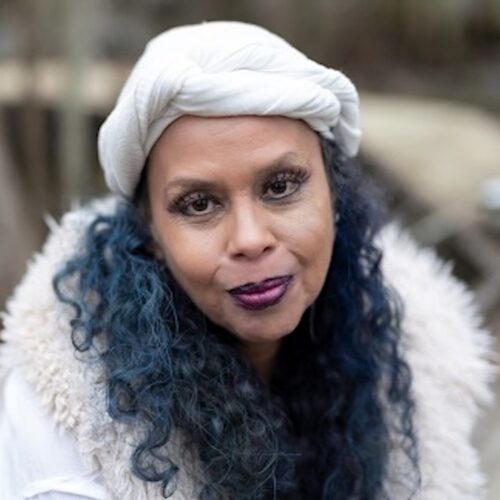
Biography
Early Life
Lilith Dorsey was named after an ancient goddess known for love and power. Not much is known about her childhood. She spent 11 years in a Lutheran school. This gave her a strong understanding of Christianity. Dorsey says she “knows the Bible better than most Pagans.”
Dorsey earned an undergraduate degree in Anthropology. She also earned graduate degrees in Anthropology and Cinema/Television Studies. A major turning point in her life came when her daughter passed away. This painful loss shaped her spiritual path.
Exploring Spiritual Paths
Dorsey has always been drawn to both traditional and modern spiritual paths. She believes serious spiritual practice takes learning and respect. Her work focuses on history, ancestry, and research. These values help protect African-based religions like Voodoo, Vodou, Santeria, and Hoodoo.
She first learned Haitian Vodou from Mambo Bonnie Devlin. She studied under Priestess Miriam Chamani at the Voodoo Spiritual Temple in New Orleans. She began practicing Santeria with support from Ochun Olukari Al’aye. These teachings helped her connect with the spiritual roots of the African diaspora.
Community Work
Dorsey has been part of the Pagan community for almost 30 years. She has learned a great deal from this experience. She also sees things she disagrees with. She speaks out against what she calls “fake practices.” She speaks out against scrying or the practice of seeking spiritual guidance from praying into a toilet bowl as a practice that shows disrespect to sacred traditions. She believes these actions misrepresent Afro-Caribbean faiths.
Scholarship and Art
Dorsey brings together her spiritual beliefs and academic work. She creates films that explore ritual dance and spiritual possession. She is inspired by scholars like Zora Neale Hurston and filmmaker Maya Deren. These women combined art, anthropology, and spiritual life.
Her documentary Bodies of Water focuses on Voodoo identity and spiritual change. Her work has reached many audiences. These include small local events to screenings at Harvard University.
Faith and Justice
Justice is an important part of Dorsey’s beliefs. She works for fairness and inclusion because she is a Black woman in mostly white spiritual spaces. She studies many religious traditions. These include Indigenous American, Afro-Caribbean, and Celtic practices. She raises up the voices of BIPOC communities through her writing and public speaking.
She also warns against cultural appropriation. Dorsey fights racism within spiritual spaces. She believes sacred traditions must be treated with care, respect, and honesty. She is against these traditions being used for profit or show.
Legacy and Impact
Lilith Dorsey is known for her strong voice and honest teaching. Her work goes beyond one tradition or field. She helps keep Afro-Caribbean spiritual wisdom alive and thriving. Her creative blend of scholarship and spiritual practice inspires others to learn, honor, and grow.