Biography
Early Life
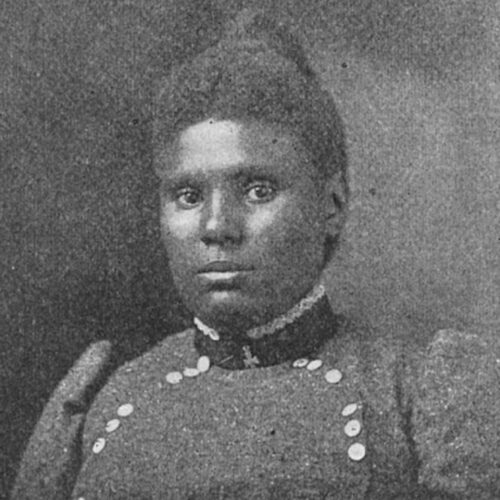
Emma B. Delaney was born in 1871 in Fernandina, Florida. Her parents were Daniel and Annie Delaney. They raised her in a strong Christian Baptist home. Her father worked as a pilot for the United States government on a ship called the “Boutwell.” Her mother was a devoted Christian who influenced Delaney’s faith. Delaney learned in her childhood that helping others was important. Her parents taught her about compassion and service. This shaped her entire life.
Breaking Barriers in Africa
Delaney became a missionary and educator trailblazer. She attended Atlanta Baptist Female Seminary in Atlanta, Georgia (now called Spelman College). She made history by becoming the first African American woman missionary to serve in Africa in 1902. This was a huge achievement at a time when few women held leadership roles in religious work. It was even more rare for Black women to hold these positions.
In 1908, Delaney helped start the Providence Industrial Mission in what is now Malawi. She was the only teacher at first. She had to learn the local language, Nyanja. Delaney taught practical skills like sewing to local girls. She also started a women’s group. She believed that teaching job skills along with religious lessons would help the women become independent and successful.
Revolutionary Teaching Methods
Delaney’s approach to teaching was different from other missionaries of her time. She combined religious teaching with vocational training. Students learned carpentry, masonry, farming, and home economics alongside their spiritual education. This method helped people develop skills they could use to improve their lives and communities.
Delaney worked in Liberia, a country founded by freed American slaves. This fact was very important to her. The Suehn Mission she helped create became a model for other missions across Africa. Delaney showed that education and faith could work together to create positive change.
Challenges and Legacy
Delaney faced difficulties during her career. She often lacked money and dealt with health problems. Working in colonial Africa was the cause of these challenges. However, she never gave up on her mission. Her determination inspired many African Americans to support missionary work. At the time, the “Back to Africa” movement was led by figures such as Marcus Garvey. It was gaining strength. Delaney’s work connected and further strengthened the movement.Through Delany’s work they saw it as a way to help their African brothers and sisters.
Delaney also helped individual students achieve their dreams. She brought Daniel Sharpe Malekebu to America for medical training. He returned to Africa in 1926 and continued Delaney’s work. He expanded the mission’s impact.
Lasting Impact
Emma B. Delaney died in 1922, but her influence lived on. She opened doors for future generations of women in missionary work and education. Her model of combining practical skills with religious teaching spread throughout Africa. Delaney proved that one person’s dedication could transform entire communities.
Delaney is remembered as a pioneer who used education and faith to teach people how to improve their lives. Her work impacted lasting change in Africa and in America.