Biography
Early Life
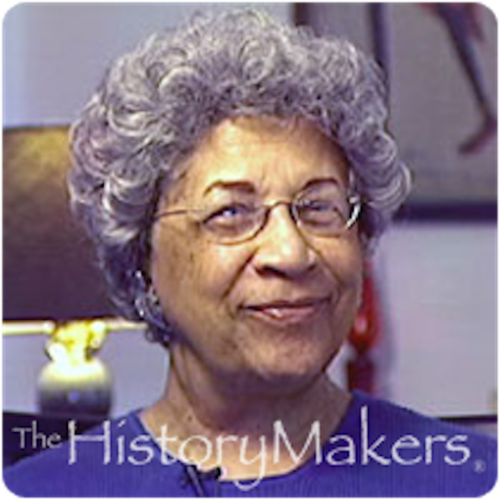
Barbara Sizemore was born in Chicago, Illinois in 1927. Her parents were Delila Mae Alexander and Sylvester Laffoon. Sizemore was raised in the Christian faith. Both of her parents were important figures in the AME Church in Terre Haute, Indiana. She grew up during segregation. This was the time in American history when there were few educational opportunities for African Americans. Sizemore became an important person in educational reform despite these challenges.
Sizemore excelled academically. She was inspired by her 8th-grade teacher, Marguerite Taylor. African American students were expected to integrate into white schools in the 9th grade. Taylor taught Sizemore and her peers algebra. She wanted to make sure they would not be behind in their studies after integrating. Sizemore described Taylor as being unique. Taylor was passionate about her students’ success. Taylor’s passion motivated Sizemore to succeed in class. She was far ahead of her peers when she integrated into her new school. This early success gave her confidence in her learning abilities.
She enrolled at Northwestern University after graduating from Wiley High School. Sizemore graduated in 1947 with a bachelor’s degree in Classical Languages. She earned a master’s degree in education from Chicago State University. Her academic background laid a solid foundation for her future career in education. She was well prepared to become a teacher and leader.
Sizemore was a pioneer African American educator and administrator. She became an advocate for minority students. Her career spanned several decades. She left a significant impact on the United States educational system.
Education & Career
Sizemore worked as a teacher in the Chicago Public Schools (CPS) in the early years of her career. Her dedication to her students was obvious. Her creative teaching methods made her stand out as a leader in the field. Sizemore’s approach emphasized literacy and critical thinking skills. She believed reading and thinking would help African American students achieve. She wanted her students to think for themselves and question the world around them. These skills were central to helping students succeed in a society that did not value them.
Sizemore put her students’ education above patriotic practices. She was accused of teaching Communism. She was reported to the FBI by the school’s principal. This led to a two-year investigation of Sizemore and her family. The FBI found no evidence to support the principal’s claims. This is an example of the trouble that African Americans faced in getting a better education. It also reveals Sizemore’s courage in continuing to educate students despite unjust accusations against her. Her faith provided her with resilience. It was a moral compass to navigate the challenges she faced throughout her career. She refused to back down from doing what she believed was right.
Leadership & Legacy
Sizemore was recognized for her educational excellence and work for equity in education. She was appointed as the principal of Forestville High School in Chicago in 1969. She worked to improve academic standards and discipline. She advocated for the needs of her students and staff. Her leadership skills and vision for education did not go unnoticed. People saw that she was making a real difference in the lives of students.
She became the first African American woman to serve as superintendent of a major city school system. Sizemore was appointed superintendent of the District of Columbia Public Schools in 1972. This was a groundbreaking achievement. It showed that African American women could lead major institutions. She worked to improve education for all students during her time as superintendent. She fought against inequality in the school system. She believed every child deserved a quality education regardless of their race or background.
She wrote books about education reform. Her books shared her ideas about how to make schools better for all students. They highlighted the challenges facing African American students. Her writings helped other educators understand the importance of equity in education.
Sizemore’s legacy is one of strength. She was determined and unwavering in her commitment to educational equity. She inspired countless educators to fight for justice in education. She influenced people who made decisions about education to commit to making an equitable education system. Her work showed that one person can make a difference in the lives of many students.
Barbara Sizemore passed away on July 24, 2004. She was battling cancer. Her work and the principles she supported continue to influence and inspire the ongoing struggle for educational justice. She is remembered as a trailblazer who opened doors for future generations of educators and students. Today, educators still look to her example when they fight for better schools and equal opportunities for all children.