Biography
Early Life
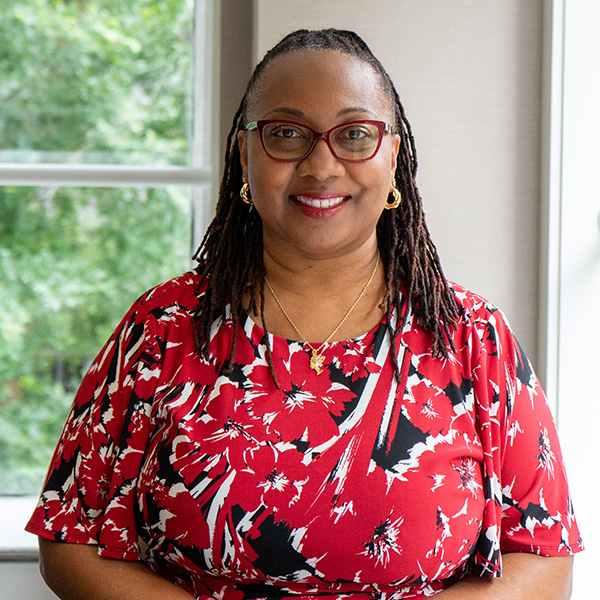
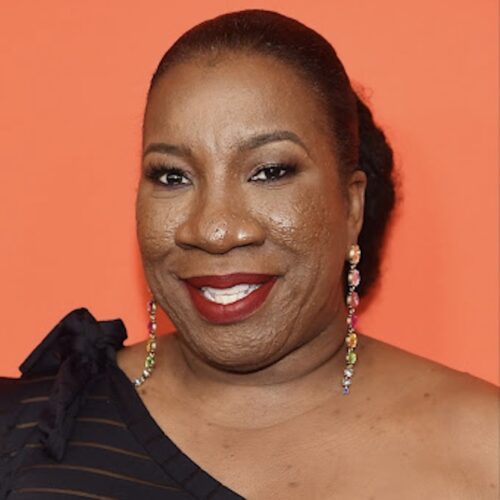
Tarana Burke was born on September 12, 1973, in the Bronx, New York. She grew up as the oldest of five children in a loving family. Her parents were strong Christians who taught her about faith and caring for others. However, Burke’s childhood was not easy. She experienced sexual abuse. This deeply affected her life. These painful experiences would later drive her to help other survivors.
Finding Her Purpose
Burke decided she wanted to help people who had been hurt like she had been. She was a young adult when she began working with community groups in the 1990s. She focused on helping young people, fighting for women’s rights, and working for racial justice.
The moment that changed everything happened while Burke was working at a youth camp. A young girl came to her and shared her story of sexual abuse. Burke felt helpless because she didn’t know how to help. She promised herself that she would find ways to support other survivors. This meeting sparked what would become the famous “Me Too” movement.
Creating the Me Too Movement
Burke started using the hashtag #MeToo on social media in 2006. She wanted to show survivors that they were not alone. Her goal was to help people understand how common sexual violence really is. The movement stayed small for many years.
The movement changed in 2017. The #MeToo exploded across social media after news broke about Harvey Weinstein’s sext trafficking crimes. He was a film producer who created a network of powerful men who paid him to have sex with young women and girls. Millions of people shared their stories of sexual assault and harassment. Burke’s simple phrase became a powerful tool for change.
Her Other Work
Burke continued working for nonprofit organizations while building the #MeToo movement. She held important jobs at several groups that help marginalized communities. She worked at the Art Sanctuary in Philadelphia which supports Black artists. She also worked at the Black Belt Cultural Arts Center that creates programs for young people.
Burke also worked at the National Voting Rights Museum in Alabama. She helped plan events that honored the civil rights movement. Her work even led to a consulting job on the movie “Selma.” The movie won an Oscar in 2014.
Impact and Recognition=
Burke believes that survivors of sexual assault, especially Black women, need to have their voices heard. She knows that these women often face extra challenges around being believed. She also knows that these women face discrimination in reporting to law enforcement and receiving medical care. Her vision for #MeToo goes beyond just sharing stories. She wants to change how society talks about sexual violence. She wants to fix the systems that allow it to continue.
Burke has received many awards for her activism. Time magazine named as her one of the “100 Most Influential People ” in 2018. She travels around the world speaking about healing and empowerment. She continues to create safe spaces where survivors can find support.
Her Lasting Impact
Tarana Burke’s legacy is one of courage and compassion. Her willingness to speak out against sexual violence has inspired millions of people. The #MeToo movement continues to grow and create change worldwide. Burke’s work proves that one person’s voice can make a huge difference in the world.