Biography
Early Life
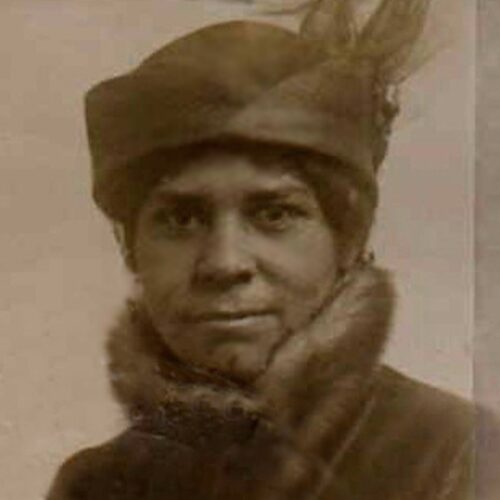
Jennie B. Moton was born on February 24, 1879, in Roanes, Virginia. She grew up in a large family with eleven brothers and sisters. Her father was Robert Booth. He worked as an oysterman and farmer. Her mother was Ellen Booth. Watching her father work the land made Jennie interested in farming. This interest would later shape her career helping African American women farmers.
Moton started studying at Hampton Normal and Agricultural Institute in 1896. The school is now called Hampton University. She focused on teacher training and graduated in 1900. She taught at Whittier Training School for eight years after graduating. She met Robert Russa Moton in 1907. They married and had five children together.
Life at Tuskegee Institute
Moton’s husband became the head of Tuskegee Institute in 1915. The school is now known as Tuskegee University. This move changed her life. She became very involved in the African American Women’s Club Movement. She became close friends with Margaret M. Washington, the club’s president. Margaret was the widow of Booker T. Washington. He had been the previous head of Tuskegee.
Moton spoke at an important conference called the Commission on Interracial Cooperation in 1920. She addressed a white audience about serious issues like education, protecting young Black women, child welfare, and stopping lynching. Her powerful speech led to her being chosen for the Southern Interracial Committee’s executive board in 1924.
Leadership Roles
Moton ran the Department of Women’s Industries at Tuskegee from 1924 to 1935. She hired twenty teachers to help with this work. She also served as president of the Alabama Association of Women’s Clubs. This organization worked to help women improve their communities. Under Moton’s leadership, the club created youth programs, raised money for good causes, and helped register people to vote.
Moton served as president of the National Association of Colored Women from 1937 to 1941. This was one of her most important roles. During her final year as president, she helped convince President Franklin D. Roosevelt to sign Executive Order 8802. This order said that companies receiving government money could not discriminate against workers because of their race, religion, or background. This was a major step toward workplace equality during World War II.
Government Work
Moton also worked for the Agricultural Adjustment Administration from 1936 to 1942. This government program was part of Roosevelt’s New Deal during the Great Depression. The program paid farmers to grow fewer crops to help raise prices. Moton’s job was to share information with women farmers. She focused on reaching out to Southern Black farm women to get their opinions about the program. She often met these women at church services and women’s club meetings.
Later Years
Moton stayed active in her community until she died. She worked with the Margaret Murray Washington Memorial Foundation in her later years. She also served as a race relations advisor for the U.S. Division of Physical Fitness in Philadelphia. Jennie B. Moton fought for equality and better opportunities for African American women throughout her life.